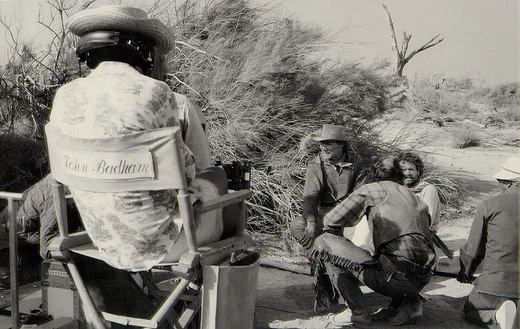
Billy Wilder
Austrian-American filmmaker known for versatile, acclaimed films.
Billy Wilder (born Samuel Wilder; June 22, 1906 – March 27, 2002) was an Austrian-American film director and screenwriter who worked in Hollywood for five decades. He is considered one of the most versatile filmmakers in American cinema. Over his career, he won seven Academy Awards out of 21 nominations, along with a BAFTA Award and the Palme d'Or.
Wilder was born to a Polish-Jewish family in Sucha, a town in the Austro-Hungarian Empire. In 1916, his family moved to Vienna, where he became a journalist instead of going to university. He began his screenwriting career in Berlin, where he moved as a young adult. When the Nazi Party rose to power and antisemitism grew in Germany, he relocated to Paris. Wilder arrived in Hollywood in 1934. His first major success came in 1939 when he co-wrote the screenplay for *Ninotchka* with Charles Brackett and Walter Reisch. He earned his first Academy Award nomination for Best Director for *Double Indemnity* (1944), a film noir he co-wrote with Raymond Chandler. Wilder won Oscars for Best Director, Best Screenplay, and Best Picture for *The Lost Weekend* (1945).
During the 1950s, Wilder directed and co-wrote a series of highly praised films. These included *Sunset Boulevard* (1950), for which he won his second Academy Award for Best Screenplay; *Ace in the Hole* (1951); *Stalag 17* (1953); and *Sabrina* (1954). In 1957, he directed and co-wrote three films: *The Spirit of St. Louis*, *Love in the Afternoon*, and *Witness for the Prosecution*. Wilder directed Marilyn Monroe in *The Seven Year Itch* (1955) and *Some Like It Hot* (1959). In 1960, he co-wrote, produced, and directed *The Apartment*, which won him Academy Awards for Best Original Screenplay, Best Director, and Best Picture.
Wilder received the AFI Life Achievement Award in 1986, the Kennedy Center Honors in 1990, the National Medal of Arts in 1993, and the BAFTA Fellowship in 1995. He also earned lifetime achievement awards from the Directors Guild of America, the Writers Guild of America (Laurel Award), and the Producers Guild of America. Seven of his films are preserved in the National Film Registry for being culturally, historically, or aesthetically significant. *Some Like It Hot*, *The Seven Year Itch*, and *The Apartment* appeared on AFI's 100 Years...100 Laughs list. His career was documented in the American Masters film *Billy Wilder: The Human Comed
- born
- June 22, 1906, Sucha, Galicia, Austria-Hungary
- died
- March 27, 2002
- field
- Film director, screenwriter
- nationality
- Austrian and American
- known_for
- Directing and co-writing films such as Double Indemnity, The Lost Weekend, Sunset Boulevard, Some Like It Hot, and The Apartment
Lore & Background
Wilder was born into a Polish-Jewish family in Sucha, Galicia, Austria-Hungary. In 1916, he moved to Vienna, where he worked as a journalist instead of attending university. His career as a screenwriter started in Berlin, where he relocated in his early adulthood. The rise of the Nazi Party and antisemitism in Germany saw him move to Paris. Wilder moved to Hollywood in 1934, and had a major hit when he, Charles Brackett and Walter Reisch wrote the screenplay for Ninotchka (1939). He established a reputation as a director and received his first nomination for the Academy Award for Best Director with Double Indemnity (1944), a film noir he cowrote with Raymond Chandler. Wilder won Academy Awards for Best Director, Best Screenplay and Best Picture for The Lost Weekend (1945).
In the 1950s, Wilder directed and co-wrote a string of critically acclaimed films, including Sunset Boulevard (1950), for which he won his second Academy Award for Best Screenplay; Ace in the Hole (1951), Stalag 17 (1953) and Sabrina (1954). He directed and co-wrote three films in 1957: The Spirit of St. Louis, Love in the Afternoon and Witness for the Prosecution. Wilder directed Marilyn Monroe in two films, The Seven Year Itch (1955) and Some Like It Hot (1959). In 1960, he co-wrote, produced and directed The Apartment, which won him Academy Awards for Best Original Screenplay, Best Director and Best Picture.
Reader's Guide
Billy Wilder's significance lies in his versatility and critical success across multiple genres, including film noir, comedy, and drama. His films often tackled controversial subjects under the restrictive Hays Code, such as adultery in Double Indemnity and alcoholism in The Lost Weekend. Wilder's work earned him seven Academy Awards from 21 nominations, a BAFTA Award, and the Palme d'Or. Seven of his films are preserved in the National Film Registry of the Library of Congress as being culturally, historically, or aesthetically significant. Some Like It Hot, The Seven Year Itch and The Apartment were included on AFI's 100 Years...100 Laughs list. His career was chronicled in the American Masters documentary Billy Wilder: The Human Comedy. Wilder received the AFI Life Achievement Award in 1986, the Kennedy Center Honors in 1990, the National Medal of Arts in 1993 and the BAFTA Fellowship Award in 1995, along with lifetime achievement awards from the Directors Guild of America, the Writers Guild of America, and the Producers Guild of America.
Did You Know?
- Wilder was born into a Polish-Jewish family in Sucha, Galicia, Austria-Hungary.
- He worked as a taxi dancer in Berlin before achieving success as a writer.
- Wilder's mother, stepfather, and grandmother were all victims of the Holocaust, killed at different locations.
- The Lost Weekend (1945) is one of four films to win both the Academy Award for Best Picture and the Palme d'Or.
More in Film Directors - International 1-24
Spotted an error? Know more?
This is a living reference — every entry is fact-audited, and reader corrections feed straight into our audit queue. Suggest an edit · See this site's audit record